Where to Stay as a Solo Traveler in the U.S.: 7 Essential Proven Hacks
Knowing Where to Stay as a Solo Traveler in the U.S. dictates the success, safety, and overall vibe of your entire American adventure. Whether you are aiming to soak up West Coast sunshine, explore historic East Coast corridors, or venture through Midwest creative hubs, accommodation choices shape your daily experience.
Booking the wrong hotel in an isolated suburb or choosing an unsafe budget motel just to save twenty dollars often leads to high rideshare bills, uncomfortable late-night walks, and social isolation. Foreign travelers frequently miscalculate city scale and neighborhood safety boundaries, resulting in stressful stays in industrial zones miles away from key attractions.
Finding ideal lodging involves balancing physical security, vibrant social atmospheres, and budget-friendly pricing. Independent explorers need strategic entry points into city cultures—spaces where meeting fellow wanderers happens naturally while security measures remain top-tier.
Integrating our smart U.S. travel blueprints into your trip planning gives you the exact tactical advantage needed to pinpoint prime neighborhoods, bypass overpriced tourist traps, and secure safe lodging in every destination.

Decoding American Neighborhood Security & Social Hotspots
Unlocking Where to Stay as a Solo Traveler in the U.S. begins with understanding urban micro-geography. American cities are famously block-by-block environments where upscale, vibrant avenues can turn into quiet, dimly lit districts within a short walk.
Relying solely on main booking platform reviews can be misleading, as most reviews focus on room cleanliness rather than nighttime street safety or public transit convenience. Evaluating walkable transit access, late-night food options, and street lighting before reserving a room prevents severe logistics headaches.
- Transit Hub Proximity: Prioritize properties within a brief, well-lit walk to primary subway or light-rail lines to keep transit costs low and avoid reliance on late-night rideshares.
- Neighborhood Energy Profiles: Choose districts with high foot traffic, sidewalk cafes, and open storefronts, which naturally deter street crime and offer vibrant social environments.
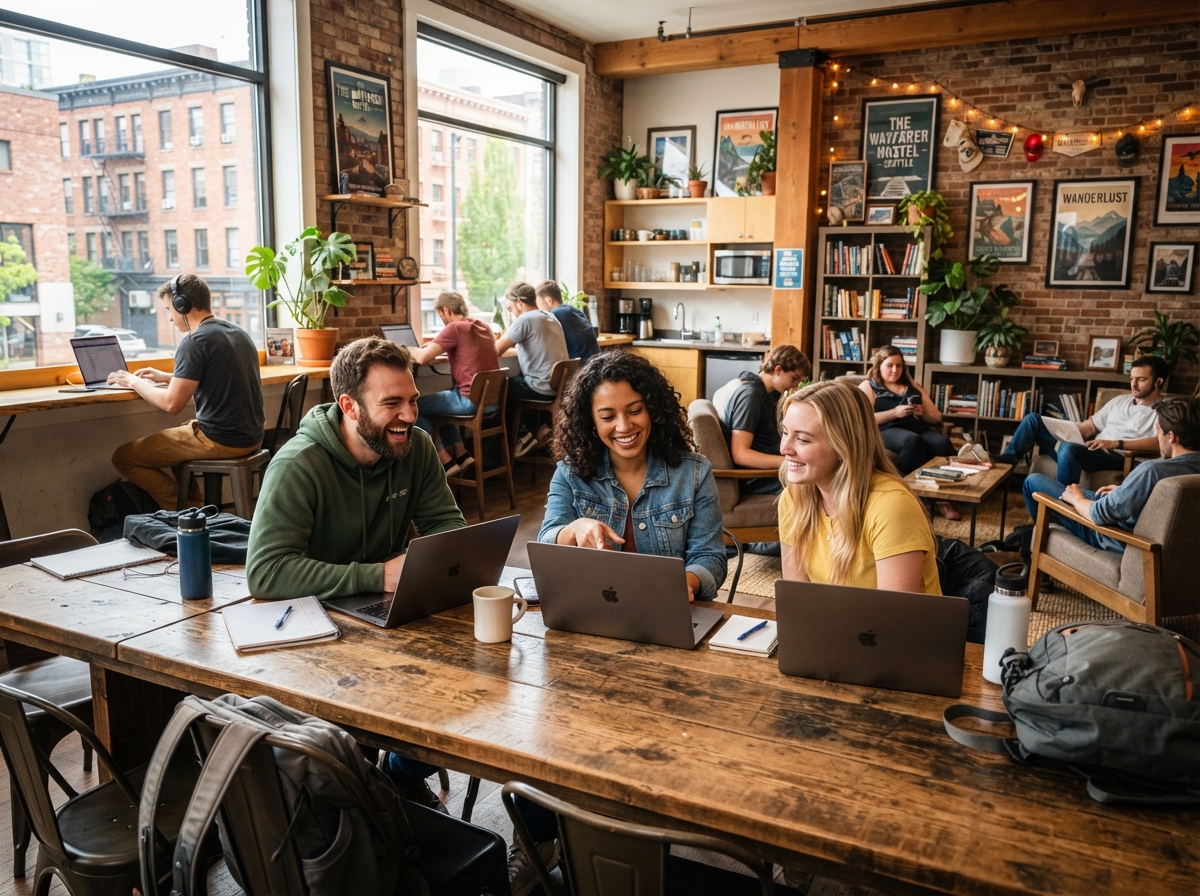
- Social Architecture Alignment: Look for properties with shared lounge spaces, co-working areas, or community kitchens where connecting with other travelers occurs naturally.
Accommodation Type Safety & Social Matrix
| Accommodation Style | Recommended Low-Risk Strategy | High-Risk Tourist Oversight | Strategic Solo Benefit |
| Social Pod Hostels | Select properties with keycard access, secure lockers, and curated events | Booking unverified fringe hostels far from central city districts | Instant social connection alongside personal security |
| Boutique Micro-Hotels | Reserve central micro-rooms with 24/7 lobby staff and active security | Selecting cheap highway motels lacking perimeter lighting or surveillance | Premium urban access with robust safety features |
| Co-Living Spaces | Opt for vetted extended-stay hubs with verified community memberships | Entering unvetted private room rentals without clear safety reviews | Built-in community of nomads and long-term travelers |
| Central Budget Hotels | Book brand-name mid-scale chains along high-traffic commercial strips | Booking secluded airport-adjacent lodging for short sightseeing trips | Maximum physical safety and effortless daytime transport |
Unlock Safe, Social, and Budget-Friendly U.S. Stays
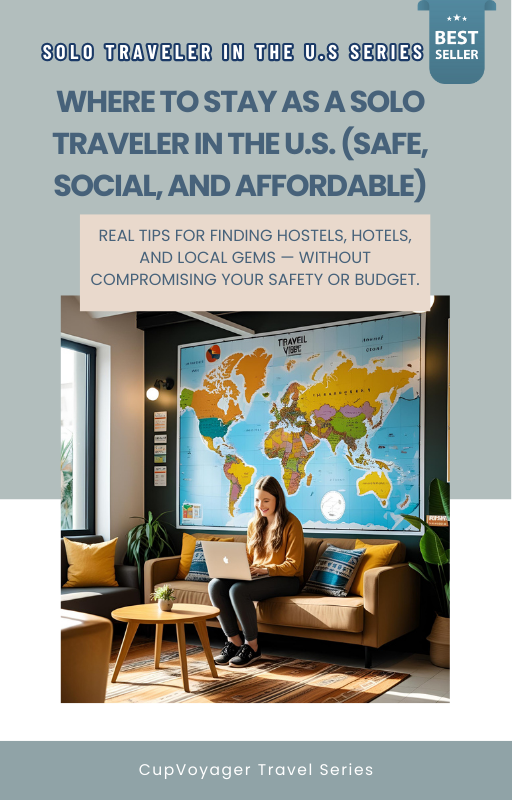
Stop guessing neighborhood safety and risking your budget on hidden bad locations. Our comprehensive guide ‘Where to Stay as a Solo Traveler in the U.S.’ hands you the exact curated safe-zone maps, secret social stay hacks, and discount booking strategies for top U.S. destinations.
- ✓ Neighborhood Safety Ratings: Vetted street-level breakdowns across major U.S. hubs.
- ✓ Hidden Social Lodging: Best hostels, pod hotels, and co-living spaces for solo wanderers.
- ✓ Money-Saving Booking Hacks: Secret timing rules to save up to 40% on prime stays.
Essential Booking Protocols for Independent Travelers
Discovering Where to Stay as a Solo Traveler in the U.S. requires rigorous pre-booking verification protocols to protect your personal security and travel budget.
- Government Safety Resources: Review official disaster readiness and emergency safety measures outlined by the U.S. Federal Emergency Management Agency Safety Guidelines.
- Micro-Location Street Audits: Utilize digital satellite imagery and virtual street views to inspect the surrounding block for streetlights, commercial activity, and secure entryways.
- Secured Luggage Protocols: Confirm property locker dimensions and high-grade lock requirements before arriving to ensure your tech gear and passport stay protected during daily outings.
- Check-In Verification Rules: Request room placements on upper floors away from public street access and ground-level alleyways for heightened personal privacy.
Conclusion & Essential Solo Lodging Summary
Learning Where to Stay as a Solo Traveler in the U.S. provides the foundation for an empowering, memorable travel experience across North America. By prioritizing safe neighborhoods, active social spaces, and strategic transit access, you set yourself up for incredible adventures and lifelong connections.
Master the Entire USA for the Price of One Meal
Why settle for just one topic when you can unlock our entire digital travel library? From detailed transit blueprints to safety hacks, road trip itineraries, and hidden local roadmaps across America—the CupVoyager Mega Bundle gives you everything required to travel like an expert while saving thousands.
- ✓ Complete Digital Library: Total coverage of U.S. safety, banking, solo travel, and transport.
- ✓ Interactive Checklists & Maps: Instant access to custom digital resources and pricing frameworks.
- ✓ Lifetime Free Updates: Every future edition and expansion included at no extra cost.