Safe Solo Road Trip in the U.S.: 7 Vital Secrets for Unstoppable Drivers
Planning a Safe Solo Road Trip in the U.S. opens up the ultimate freedom to explore vast landscapes, iconic coastlines, and open highways at your own rhythm. Crossing state borders independently offers an unforgettable experience, yet long-distance driving across remote stretches demands sharp situational awareness and rigorous preparation.
Navigating unfamiliar interstate networks without proper planning can turn a dream journey into a costly nightmare. Drivers often underestimate vast distances between fuel stations, sudden micro-climate shifts in desert or mountain passes, and dead zones with zero cellular coverage.
Executing a flawless long-distance trek requires balancing vehicle reliability, personal security protocols, and route selection. Independent travelers must build a defensive mindset while maintaining the freedom that makes long-distance driving so thrilling.
Integrating our smart U.S. travel blueprints into your itinerary planning guarantees you hit the open highway with absolute confidence, avoiding dangerous detours while saving time and money.

Crucial Route Planning for a Safe Solo Road Trip in the U.S.
Mastering a Safe Solo Road Trip in the U.S. demands far more than entering a destination into your phone’s GPS map. Real security relies on understanding how geographic terrain changes across states and accounting for isolated stretches where aid is miles away.
Relying exclusively on automated GPS routing can direct solitary drivers down poorly maintained backroads or seasonal mountain passes with zero service. Analyzing daily mileage limits, daylight hours, and rest stop locations beforehand prevents exhaustion and keeps you in control.
- Daylight Driving Mandate: Schedule long inter-city drives strictly during daylight hours to maximize visibility and ensure roadside assistance services remain readily accessible.
- Cellular Blackout Contingencies: Map out terrain elevation changes and download offline navigational maps to maintain continuous guidance through remote national parks and desert corridors.
- Strategic Fuel Station Buffer: Never let your fuel tank or battery charge drop below one-quarter full, as rural service stations often close early or sit dozens of miles apart.
Highway Strategy & Safety Risk Matrix
| Road Trip Phase | Recommended Low-Risk Strategy | High-Risk Tourist Oversight | Strategic Solo Benefit |
| Vehicle Prep & Choice | Inspect tire pressure, fluid levels, and emergency kit before departure | Renting cheap compact vehicles for high-altitude mountain terrain | Maximum mechanical reliability and total road confidence |
| Overnight Rest Stops | Reserve well-lit hotels or verified long-haul travel plazas | Parking in isolated dark pull-offs or unvetted highway rest stops | Restorative sleep inside secure, monitored environments |
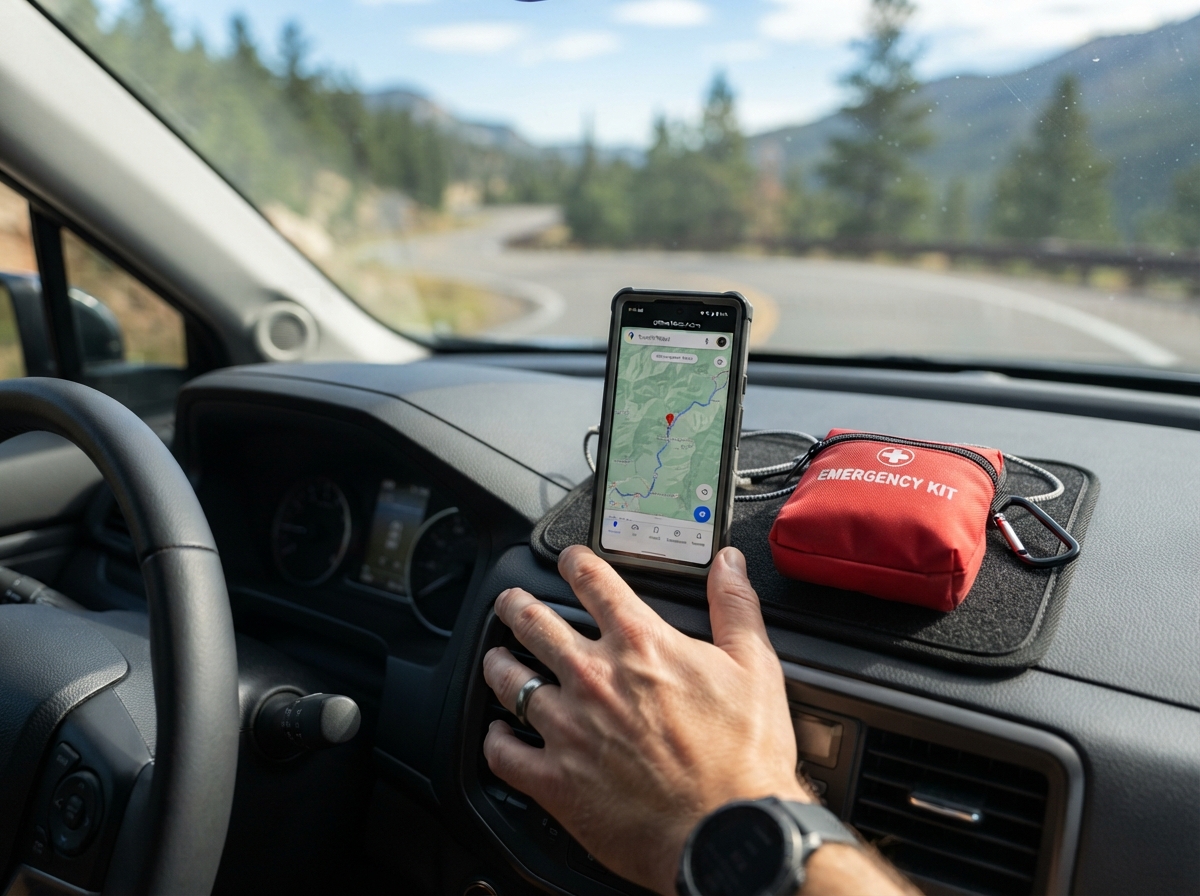
| Emergency Preparedness | Carry satellite tracking, offline maps, and basic breakdown tools | Relying solely on cellular signal for navigation and emergency calls | Instant communication capability anywhere on the continent |
| Navigation Management | Pre-plan rest points every two hours along main interstate highways | Driving through exhaustion to hit unrealistic daily distance targets | Peak mental alertness and reduced reaction-time risks |
Drive the U.S. Independently with Total Peace of Mind
Don’t risk getting stranded in remote dead zones or overpaying for rental car traps. Our comprehensive guide ‘How to Plan a Safe Solo Road Trip in the U.S.’ delivers exact curated scenic routes, safe overnight stopover maps, vehicle emergency checklists, and budget hacks.
- ✓ Vetted Route Maps: Safer highway corridors and scenic drives tailored for solo travelers.
- ✓ Emergency Protocols: Satellite tools, breakdown steps, and cellular blackout backups.
- ✓ Cost-Saving Hacks: Save up to 35% on rental vehicles, toll passes, and roadside fuel.
Essential Vehicle & Personal Security Protocols
Maintaining a Safe Solo Road Trip in the U.S. requires strict adherence to practical vehicle safety and personal protection measures while on the road.
- Official Highway Regulations: Stay updated on state-by-state driving laws and safety directives provided by the U.S. Department of Transportation Highway Safety Office.
- Valuables Concealment Protocol: Never leave luggage, tech gear, or travel documents visible inside your parked vehicle during roadside meal breaks or scenic photo stops.
- Automated Check-in System: Establish a fixed daily check-in schedule with a trusted contact, sharing your exact route checkpoints and planned overnight accommodations.
- Defensive Parking Tactics: Always back into well-lit parking spaces facing outward near main building entrances for a swift exit if safety concerns arise.
Conclusion & Essential Highway Driving Summary
Preparing a Safe Solo Road Trip in the U.S. equips you with the confidence to conquer iconic highways while protecting your well-being. By managing driving fatigue, selecting secure stopovers, and maintaining vehicle readiness, you set the stage for an extraordinary adventure across America.

Master the Entire USA for the Price of One Meal
Why settle for just one topic when you can unlock our entire digital travel library? From detailed transit blueprints to safety hacks, road trip itineraries, and hidden local roadmaps across America—the CupVoyager Mega Bundle gives you everything required to travel like an expert while saving thousands.
- ✓ Complete Digital Library: Total coverage of U.S. safety, banking, solo travel, and transport.
- ✓ Interactive Checklists & Maps: Instant access to custom digital resources and pricing frameworks.
- ✓ Lifetime Free Updates: Every future edition and expansion included at no extra cost.