Safe While Traveling Alone in the U.S: 7 Thrilling Proven Secrets
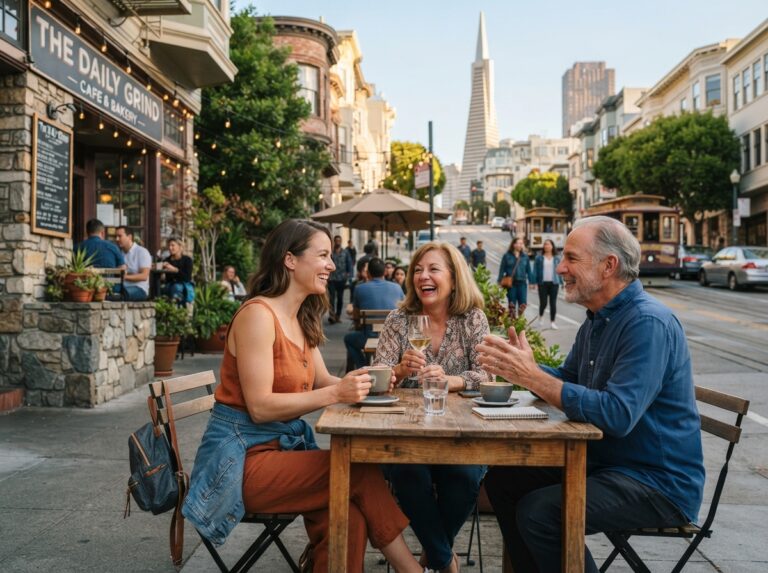
Navigating foreign cities solo offers unparalleled personal freedom, yet staying Safe While Traveling Alone in the U.S remains the single most important factor for an unforgettable American journey. From the bustling streets of Manhattan to sprawling West Coast highways, independent travelers face complex urban environments, unique transit systems, and distinct neighborhood dynamics.
Walking into unfamiliar American transit hubs or booking budget accommodations without local neighborhood intelligence can turn an exciting solo vacation into an expensive safety risk. Petty theft, scam rideshares, and wrong turns into high-crime districts happen quickly when you lack situational awareness and local knowledge.
Staying Safe While Traveling Alone in the U.S requires proactive planning rather than reactive fear. By deploying tactical personal security habits, choosing verified social lodging, and keeping digital backups of critical documents, you protect both your personal well-being and your wallet throughout your trip.
Equipping yourself with our smart U.S. travel blueprints enables you to explore iconic American landmarks fearlessly, avoid common tourist traps, and navigate every major U.S. city with absolute confidence.

Urban Transit & Neighborhood Situational Awareness
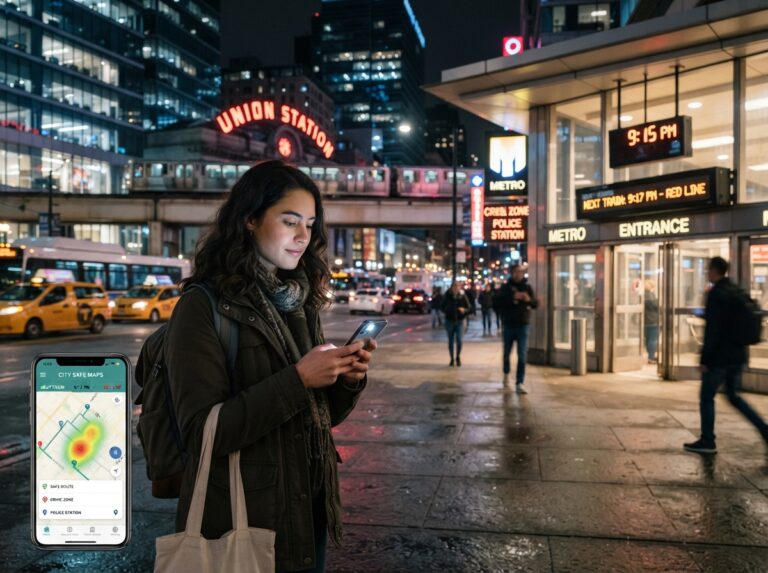
Solo travelers in American metropolitan areas must master local transit logistics immediately upon arrival. Major U.S. transit systems operate across vastly different safety zones depending on the time of day and specific route stops.
Relying on generic map apps won’t always alert you when a subway line transitions into isolated or poorly lit areas late at night. Maintaining constant vigilance and projecting purpose while walking discourages opportunistic criminals from targeting you as an isolated tourist.
- Digital Footprint Discretion: Avoid broadcasting your exact real-time location or hotel room details on public social media channels until after you have checked out.
- Rideshare Verification Protocols: Always confirm the driver’s name, vehicle license plate, and photo inside the official application before entering any vehicle.
- Neighborhood Border Awareness: American cities can shift from upscale commercial districts to high-crime residential blocks within a single street corner.
Solo Accommodation & Transport Safety Matrix
| Safety Dimension | Recommended Low-Risk Strategy | High-Risk Tourist Oversight | Strategic Solo Benefit |
| Lodging Location | Book properties near active transit corridors with 24/7 reception | Selecting isolated budget motels solely based on cheap pricing | Rapid access to safe transportation and immediate assistance |
| Nighttime Mobility | Utilize vetted rideshares or well-lit main avenues | Walking alone through unlit parks or deserted industrial zones | Complete avoidance of isolated urban safety hazards |
| Valuables Management | Split cards, cash, and passport copies across separate bags | Carrying all primary identification and funds in a single purse | Zero risk of total financial loss during petty theft incidents |
| Emergency Connectivity | Maintain an active U.S. e-SIM with local emergency contacts | Relying exclusively on spotty free public Wi-Fi for navigation | Uninterrupted access to maps, emergency services, and translation |
Explore America Solo with Total Peace of Mind
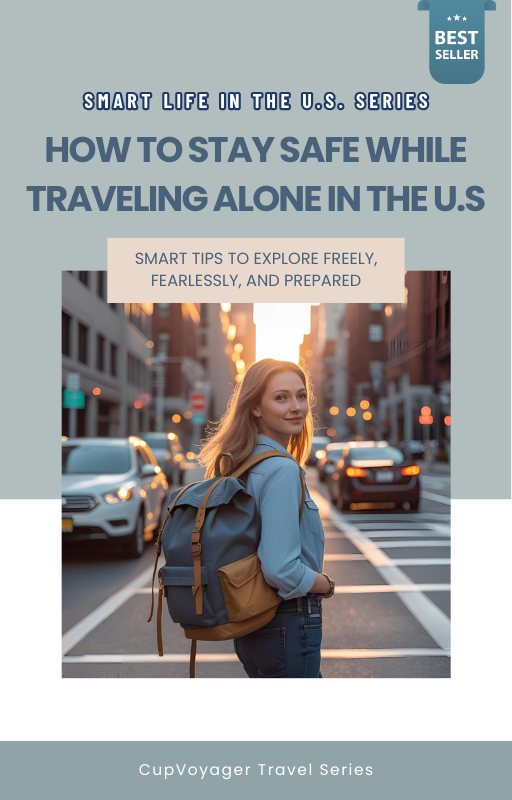
Don’t let safety anxieties or unexpected urban scams disrupt your dream trip. Our definitive digital guide ‘How to Stay Safe While Traveling Alone in the U.S’ gives you the exact neighborhood red-flag maps, emergency contact trees, and secret accommodation safety hacks used by veteran independent travelers.
- ✓ Neighborhood Safety Checklists: Know exact safe zones in top 20 U.S. cities.
- ✓ Scam Defense Frameworks: Avoid rideshare traps, street coercion, and booking frauds.
- ✓ Solo Night Safety Rules: Tactical guidance for evening transit and dining alone.

Essential Security Protocols for Independent Explorers
Staying Safe While Traveling Alone in the U.S relies on adopting proven personal defense routines before setting foot outside your hotel door.
- Official Travel Directives: For updated federal safety guidelines and regional travel advisories, monitor updates via the U.S. Department of State Travel Advisory.
- Layered Emergency Communication: Establish a daily digital check-in routine with a trusted friend or family member, sharing your rough daily itinerary.
- Physical & Digital Asset Security: Store digital copies of your passport, visa, and health insurance on encrypted cloud storage while carrying physical copies on day trips.
- Door & Room Safety Devices: Deploy portable door locks or rubber door wedges inside your hotel or hostel room for an added layer of nighttime security.
Conclusion & Essential Solo Travel Checklist
Mastering how to stay Safe While Traveling Alone in the U.S empowers you to unlock the ultimate freedom of solo travel without compromising your personal safety. With proper situational awareness, smart transport choices, and proactive document backup, your independent trip across North America will be both thrilling and secure.
Master the Entire USA for the Price of One Meal
Why settle for just one topic when you can unlock our entire digital travel library? From detailed transit blueprints to safety hacks, road trip itineraries, and hidden local roadmaps across America—the CupVoyager Mega Bundle gives you everything required to travel like an expert while saving thousands.
- ✓ Complete Digital Library: Total coverage of U.S. safety, banking, solo travel, and transport.
- ✓ Interactive Checklists & Maps: Instant access to custom digital resources and pricing frameworks.
- ✓ Lifetime Free Updates: Every future edition and expansion included at no extra cost.