Quick way to grow us travel safety tips
Us travel safety Yup When you set foot on American soil, safety is the foundation of an unforgettable adventure. Whether you’re exploring the skyscrapers of New York, the national parks of the West, or the vibrant music scene in New Orleans, U.S. travel safety should be front‑of‑mind from the moment you book your ticket. This guide walks you through the most important precautions, timing tips, itinerary planning tricks, and common pitfalls to avoid. For a deeper dive, consult our comprehensive USA travel guide for 2026 and download the printable travel safety checklist that you can carry on the go.
Timing

Choosing the right time of year can dramatically affect your safety experience. Summer (June‑August) brings heavy traffic on interstate highways and crowded tourist sites, which can increase the risk of pickpocketing and car accidents. Spring (April‑May) and early fall (September‑October) often provide milder weather, fewer crowds, and lower crime rates in major cities. Winter travel (December‑February) offers unique attractions—think holiday markets and ski resorts—but also brings icy roads and occasional severe weather alerts. Always check the National Weather Service before you depart and sign up for real‑time alerts through the FEMA app.
Itinerary

A well‑structured itinerary is your best defense against unexpected hazards. Here’s a step‑by‑step framework:
- Map out primary destinations. Highlight major cities, national parks, and any remote areas you plan to visit. Use Google Maps offline mode to ensure navigation even without data.
- Identify transport hubs. Locate airports, train stations (Amtrak), and bus terminals. Keep copies of reservation confirmations in both digital and printed form.
- Schedule buffer time. Allocate extra hours for traffic, security lines, and possible weather delays. A 30‑minute buffer can prevent missed connections and the stress that leads to poor decisions.
- Research local laws. In the U.S., regulations vary by state—some states prohibit open containers of alcohol in public, while others have specific wildlife interaction rules in national parks.
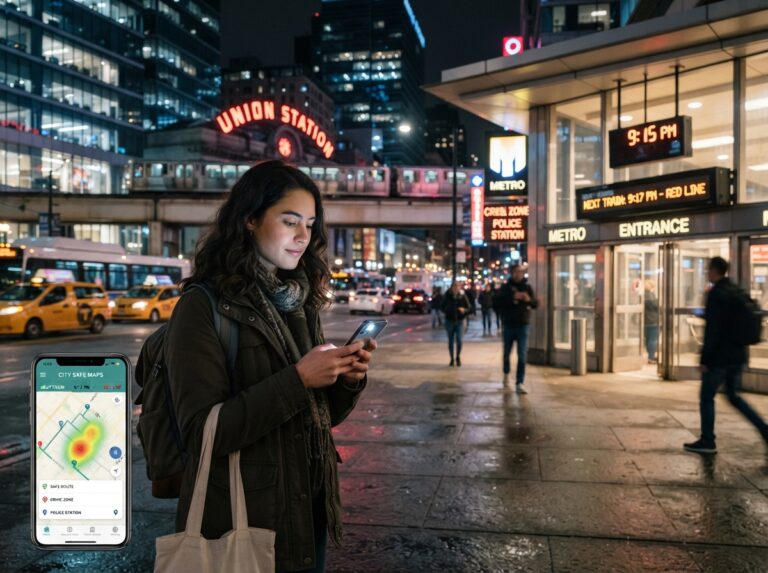
- Plan emergency stops. Mark nearby hospitals, police stations, and 24‑hour convenience stores on your map. Knowing the nearest “Safe Spot” reduces panic if something goes wrong.
When you’re on a road trip, consider the TSA’s travel tips for securing your vehicle and personal belongings. And always keep a spare set of keys in a secure location.
Common Mistakes

Even seasoned travelers slip up. Below are the most frequent errors and how to prevent them:
- Ignoring local alerts. Many visitors skip the local news or the city’s social‑media channels. Sign up for official city alerts or use the AlertSense app.
- Leaving valuables in plain sight. Whether it’s a laptop on a café table or a suitcase in the trunk, keep belongings out of view. Use hidden compartments or lockable bags.
- Skipping travel insurance. Medical emergencies in the U.S. can cost thousands of dollars. A solid policy covers hospital stays, evacuation, and even trip cancellation.
- Relying on public Wi‑Fi without protection. Public networks in airports and cafés are breeding grounds for hackers. Use a reputable VPN (Virtual Private Network) to encrypt your traffic.
- Underestimating distances. The United States spans 2,800 miles from coast to coast. Driving from Los Angeles to Seattle can take 20+ hours; plan rest stops and consider alternate modes of transport.
By staying aware of these pitfalls, you’ll keep your journey smooth and your peace of mind intact.
FAQs
- 1. Do I need a separate safety plan for each state?
- While the core principles (stay hydrated, keep documents safe, be aware of surroundings) remain constant, each state may have specific rules—especially concerning wildlife, alcohol consumption, and traffic. Review the state’s tourism website before you travel.
2. How can I protect myself from pickpockets in major cities?Wear a money belt under your clothes, keep purses closed and in front of you, and avoid distractions like loud conversations or headphone volume that could make you an easy target.
3. What should I do if I’m caught in severe weather (e.g., tornado, hurricane)?Immediately seek shelter in a designated safe room or interior hallway away from windows. Follow local emergency broadcasts and have a small emergency kit (water, flashlights, portable charger) ready.
4. Is it safe to use rideshare services like Uber or Lyft?Yes, provided you verify the driver’s name, car model, and license plate before entering the vehicle. Share your ride details with a friend or family member via the app’s “Trip Share” feature.
5. What are the best ways to stay healthy while traveling across the U.S.?Carry a reusable water bottle, get enough rest, and eat balanced meals. If you have dietary restrictions, research restaurant options ahead of time and consider packing safe snacks. Also, keep a basic first‑aid kit for minor injuries.
Travel safety in the United States is a blend of preparation, awareness, and smart decision‑making. By following the timing guidelines, crafting a detailed itinerary, avoiding common mistakes, and reviewing the FAQs above, you set the stage for a secure and memorable adventure. For even more practical tools, download our travel safety checklist and bookmark the full 2026 USA travel guide. Happy—and safe—travels!