Top Group Travel Tips for USA World Cup 2026 Fans
“`html
Planning to experience the thrill of the Group travel tips for USA World Cup 2026 while keeping everyone from kids to grandparents happy? This 900‑word guide walks you through everything you need to know to travel as a crew, from timing your arrival to avoiding common pitfalls. Whether you’re joining a fan club, a corporate outing, or a family reunion, our expert advice will help you maximize fun, minimize stress, and stay on budget. For a deeper dive into solo or couple itineraries, check out our USA Travel Guide 2026, and don’t miss the Family travel USA 2026 page for kid‑friendly suggestions.
Timing: When to Arrive and How Long to Stay
The 2026 World Cup spans June to July across 16 host cities in the United States, Canada, and Mexico. For groups, the key is to arrive at least two days before the first match you plan to watch. This buffer lets you adjust to time zones, settle into accommodations, and attend a welcome‑party or local fan meetup. Most fans book a 10‑day window to catch two to three games, explore a nearby city, and still have time to travel between venues without rushing.
Best arrival windows:
- Early birds: Arrive the first week of June to enjoy lower hotel rates and milder weather in northern cities like Seattle and Minneapolis.
- Mid‑tournament swingers: Target mid‑June for a balance of price and prime matchups in venues such as Dallas and Kansas City.
- Late‑summer lovers: Late July offers high‑energy atmospheres in venues like Los Angeles, but expect higher costs and hotter weather.
Coordinate your group’s schedule using a shared Google Sheet or a dedicated travel app (e.g., TripIt) so everyone knows the exact match times, transportation windows, and optional sightseeing activities. This eliminates last‑minute confusion and ensures you don’t miss the kickoff.
Itinerary: Building a Flexible Yet Fun Schedule
A solid itinerary balances match days, travel logistics, and downtime. Here’s a five‑day sample itinerary for a 12‑person group traveling from New York to the Midwest, where three group matches are scheduled:
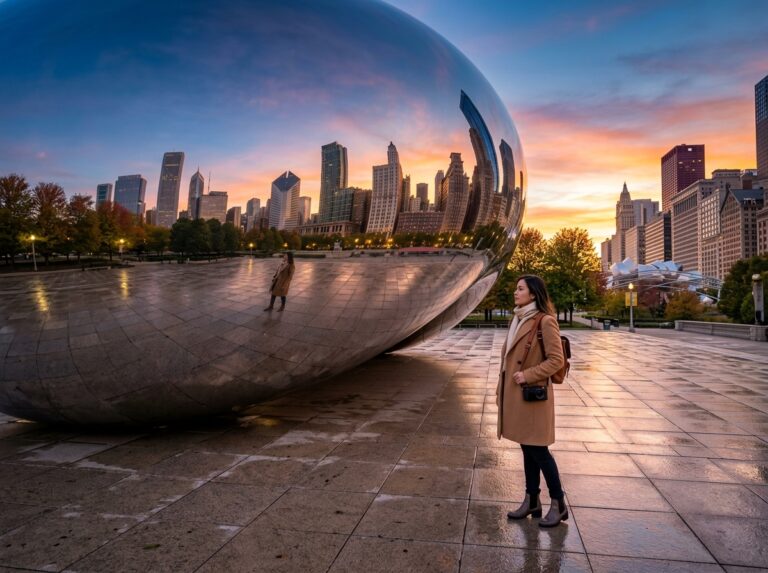
- Day 1 – Arrival in Chicago: Fly into O’Hare, check into a centrally located hotel with group suites, and enjoy a welcome dinner at a sports bar.
- Day 2 – Sightseeing + Team Training: Take a city tour (Millennium Park, Navy Pier) in the morning; in the afternoon, attend a public practice session of one of the qualifying teams.
- Day 3 – Match Day – Soldier Field: Use a pre‑booked charter bus for transport; arrive early to soak up the fan zone atmosphere.
- Day 4 – Travel to Minneapolis: Early morning flight or train; check into a family‑friendly Airbnb that can accommodate large groups; free evening for local dining.
- Day 5 – Match Day – U.S. Bank Stadium: Coordinate group seating (request a block of seats in the same section). Post‑match, gather for a celebratory wrap‑up dinner.
For larger groups, consider splitting into sub‑teams (e.g., families, friends, corporate) and assigning a “travel lead” for each. This distributes responsibility, speeds up decision‑making, and keeps everyone informed.
Common Mistakes & How to Avoid Them
Even seasoned travelers slip up when handling large parties. Below are the most frequent errors and quick fixes:
- Booking accommodation too late: Prices skyrocket after the first wave of tickets sell out. Secure lodging at least six months in advance.
- Ignoring visa or ESTA requirements: All non‑U.S. citizens need a valid ESTA or visa. Process these documents early to avoid last‑minute denials.
- Assuming public transport will suffice: While cities like Washington, D.C., have robust metro systems, many host cities have limited options on match days. Reserve a charter bus or multiple rental vans.
- Not coordinating meals: Large groups can overwhelm restaurant capacity. Reserve group tables or order catering for breakfast and dinner.
- Over‑packing itineraries: Too many activities lead to fatigue. Build in at least one “free‑explore” block each day.
By tackling these issues ahead of time, your group will enjoy a smoother, more memorable World Cup experience.
FAQs – Quick Answers for Group Organisers
- Q1: How far in advance should I buy match tickets for a group?
- Secure tickets as soon as the official FIFA sales window opens (usually 12‑14 months before the tournament). For groups larger than 10, consider using FIFA’s “Group Purchase” portal or a reputable resale platform with verified tickets.
- Q2: What’s the best way to handle transportation between venues?
- Charter a coach or rent multiple vans with a professional driver. This provides flexibility for late‑night arrivals, reduces reliance on public transit, and keeps the group together. For short hops (under 2 hours), rideshare pools can work if you pre‑arrange pick‑up codes.
- Q3: Can I get group discounts on hotels?
- Yes. Contact hotels directly and request “block booking” rates. Many chains (Marriott, Hilton, Hyatt) offer 10‑15% off for groups of 10+ rooms, plus complimentary breakfast or meeting space.
- Q4: How do I keep everyone safe during large crowds?
- Assign a “buddy system”: each adult pairs with a younger member. Designate a meeting point (e.g., a specific concession stand) for emergencies, and equip the group with a shared WhatsApp or Signal chat for real‑time updates.
- Q5: What if weather disrupts travel plans?
- Travel insurance covering trip cancellations and delays is essential for large groups. Keep a backup plan (alternative venues or indoor activities) and monitor local forecasts through the National Weather Service.
Ready to put these strategies into action? Start by mapping your match schedule, locking in accommodation, and assigning travel leads. With careful planning, your group will experience the 2026 World Cup’s electric atmosphere while staying organized, comfortable, and on budget. For more detailed city guides, stadium insights, and exclusive group discount codes, explore the full resources on CupVoyager’s USA Travel Guide 2026.
“`