Essential Safety Tips for International Fans in USA 2026
“`html
Planning to cheer on your favorite team in the United States? Safety tips for international fans in USA are essential to ensure your trip is unforgettable for all the right reasons. From navigating bustling stadiums to exploring iconic cities, a solid safety plan lets you focus on the excitement of the game rather than worrying about the unknown. In this guide we’ll cover when to travel, how to map out a secure itinerary, common pitfalls to avoid, and the top FAQs every fan should know. Keep reading for expert advice, essential resources, and links to the latest travel‑insurance options for 2026.
Timing

The United States hosts major sporting events from early spring through late winter, and each season brings its own safety considerations.
- Spring (March‑May): Weather can swing from cool to scorching. Pack layered clothing and stay hydrated, especially in southern venues like Austin or Miami.
- Summer (June‑August): Expect large crowds, heat waves, and frequent street festivals. Book tickets for matches well in advance and consider arriving at the stadium early to avoid rush‑hour traffic.
- Fall (September‑November): This is the peak travel window for many European fans because flight prices dip after Labor Day. Keep an eye on hurricane alerts if you’re heading to the Gulf Coast.
- Winter (December‑February): Snow and icy conditions affect northern cities like Chicago and Boston. Allow extra travel time and verify that your accommodation provides reliable heating.
For the most up‑to‑date event calendar and venue details, check our USA Travel Guide 2026. The site also flags any local advisories that could affect match day logistics.
Itinerary
A well‑planned itinerary is your first line of defense against common travel mishaps. Follow these steps to build a secure, fan‑friendly schedule:
- Book certified accommodation: Use platforms that verify hotels or Airbnb hosts, and read recent guest reviews for safety ratings.
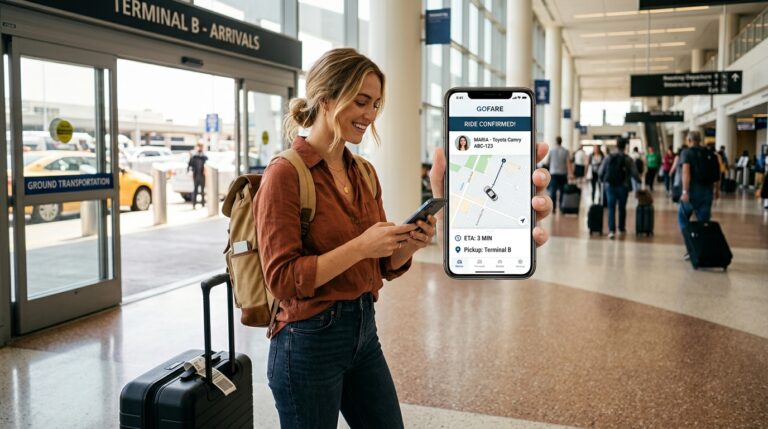
- Reserve ground transport early: Public transit (subways, buses) is reliable in most major cities, but ride‑share apps often have designated pick‑up zones near stadiums—use them to avoid unlicensed drivers.
- Map out emergency services: Identify the nearest hospitals, police stations, and embassy or consulate locations. Save these contacts in your phone and print a hard copy.
- Schedule “buffer days”: Allocate one or two low‑key days before and after the match to recover from jet‑lag and handle any unexpected itinerary changes.
- Secure travel insurance: Look for policies that cover medical emergencies, trip cancellations, and lost possessions. The most reliable source for up‑to‑date regulations is Travel insurance USA 2026.
Pro tip: Download a local offline map (Google Maps or MAPS.ME) before you land, so you can navigate even when you have limited data.
Common Mistakes
Even seasoned supporters fall into traps that can turn a dream trip into a stressful ordeal. Below are the most frequent errors and how to dodge them:
- Relying on cash only: Many venues now prefer contactless payments. Carry a small amount of USD for tips, but use a credit card or mobile wallet for larger purchases.
- Skipping travel‑insurance paperwork: Some fans assume “I’m healthy, I don’t need it.” In reality, U.S. medical costs can exceed $10,000 per incident. A policy that covers emergency evacuation can save you a fortune.
- Ignoring local laws on alcohol and fireworks: Each state has its own regulations. For example, open containers are prohibited in most stadium concourses outside designated areas.
- Leaving valuables unattended: Bag‑snatching is rare but does happen in crowded venues. Use a theft‑proof backpack with hidden zippers, and keep passports and wallets in a money belt under clothing.
- Not checking venue security protocols: Some stadiums require bag scans and have size restrictions. Review the official stadium website a week before departure.
FAQs
- 1. Do I need a visa to travel to the USA for a sports event?
- Most international fans will need a B‑2 tourist visa or an ESTA (Electronic System for Travel Authorization) if they qualify for the Visa Waiver Program. Apply at least 90 days before departure.
- 2. What should I do if I lose my passport in the U.S.?
- Contact your nearest embassy or consulate immediately. Keep a digital copy of your passport on your phone, and have the address and phone number of the diplomatic mission saved offline.
- 3. Are there any specific safety concerns at stadiums during night matches?
- Night games can attract larger crowds and increased traffic. Arrive early, use official transportation, and stay in well‑lit areas after the match. Many stadiums provide shuttle buses to major hotels—use them.
- 4. How can I protect myself from COVID‑19 or other health threats?
- Check CDC travel advisories for the latest vaccination recommendations. Most venues now require proof of vaccination or a negative test. Bring a mask for indoor areas, and carry hand sanitizer.
- 5. Is tipping expected in the United States?
- Yes. The standard tip is 15‑20% of the total bill at restaurants, and $1‑$2 per bag for hotel staff. For ride‑share drivers, a 10‑15% tip is customary.
By following these Safety tips for international fans in USA, you can enjoy the match atmosphere, explore iconic cities, and return home with stories worth sharing—without any unwanted drama. Remember: preparation, awareness, and a reliable insurance policy are your best teammates on foreign soil.
“`