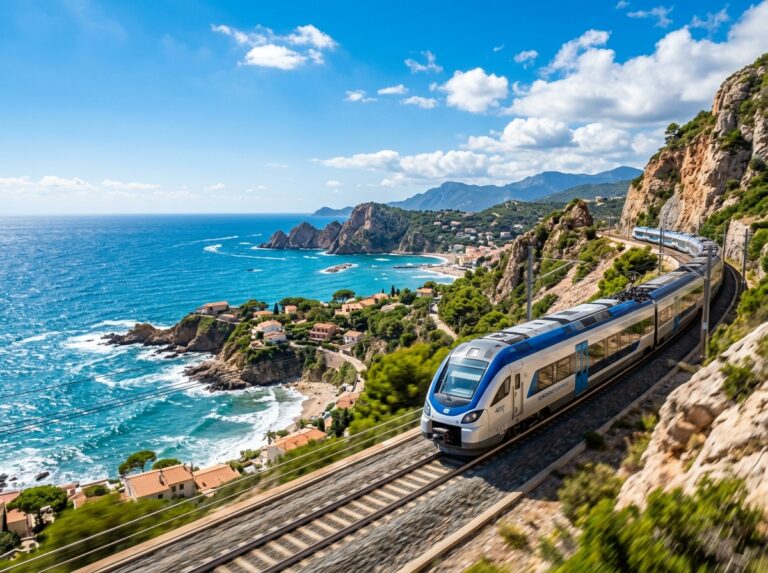
Planning an Inter-city travel options in USA 2026 can feel like solving a giant puzzle. Between a resurgence of domestic airlines, the expanding Amtrak network, and the debut of new high‑speed corridors, travelers have more options than ever—but also more decisions to make. This guide breaks down the most popular and emerging ways to hop from city to city, highlights timing considerations, suggests sample itineraries, warns against common pitfalls, and answers the questions you’re most likely to ask.
When you’re choosing a mode of transport, the time of day, day of the week, and season can dramatically affect cost and convenience.
Peak summer weekends (June‑August): Domestic flight prices climb 30‑45% compared to the same route in early spring. Amtrak’s long‑distance trains also fill up quickly, especially on the California Zephyr and Coast Starlight.
Mid‑week (Tuesday‑Thursday): Airlines release discounted seats at 02:00 UTC and the best train fares appear 7‑10 days in advance. This is the sweet spot for budget‑focused travelers.
Holiday travel (Thanksgiving, Christmas, New Year’s): Both airlines and Amtrak add extra services, but expect longer security lines and mandatory seat reservations on popular routes like New York‑Washington.
Emerging high‑speed rail corridors (e.g., Dallas‑Houston, Los Angeles‑San Diego): Service launches are usually scheduled for late spring; early adopters can snag promotional fares that are cheaper than a comparable flight.
Another timing factor is check‑in windows. Most low‑cost carriers in the U.S. now require online check‑in at least 24 hours before departure, and many train tickets become non‑refundable after 48 hours. Planning ahead, setting price alerts, and locking in a seat as soon as the schedule opens are essential tactics for securing the best rates.
Itinerary
Below is a sample 10‑day itinerary that showcases the diversity of travel options in 2026. Feel free to mix and match based on your interests.
Day 1‑2 – New York City to Washington, D.C.
Take the Amtrak Acela Express (≈2½ h, $78 USD). Enjoy Wi‑Fi, power outlets, and a quiet car for a productive start.
Alternative: Southwest Airlines flight (≈1 h, $85 USD)—great if you have a tight schedule.
Day 3 – Washington to Nashville
Fly with Alaska Airlines (≈1h 45m, $120 USD) – direct and often includes a complimentary snack.
Day 4‑5 – Nashville to New Orleans
Take the newly‑opened Southern Crescent high‑speed rail (≈5 h, $95 USD). You’ll pass through the rolling hills of the Deep South while enjoying a dining car featuring Cajun cuisine.
Day 6 – New Orleans to Houston
Budget flight with Spirit Airlines (≈1h 15m, $70 USD) – ideal for travelers on a shoestring budget.
Day 7‑8 – Houston to Dallas
High‑speed rail (Dallas‑Houston Express, 2 h, $60 USD). The train departs every 30 minutes, eliminating the hassles of TSA.
Day 9 – Dallas to Denver
United Airlines direct flight (≈2 h 15m, $130 USD). If you prefer a scenic route, consider the Amtrak Texas Eagle to Chicago and transfer to the California Zephyr—but add at least 48 h.
Day 10 – Denver to San Francisco (via Las Vegas)
Fly Denver → Las Vegeas (≈2 h, $110 USD) then take the California Zephyr night train to Emeryville (≈15 h, $150 USD). Arrive refreshed and ready to explore the Bay Area.
Notice how the itinerary balances speed (flights) and experience (trains). When you click through the full USA travel guide 2026, you’ll find additional route maps, fare‑tracker tools, and recommended accommodations for each city.
Common Mistakes
Booking too early for train tickets. Unlike airlines, Amtrak’s dynamic pricing rewards last‑minute purchases on many routes; reserving three months ahead can sometimes cost 20‑30% more.
Ignoring baggage fees. Low‑cost carriers now charge $30‑$45 per checked bag on domestic flights. Many travelers assume “budget” means “no extra cost.” Compare the total price with a train ticket that includes two free bags.
Overlooking “middle‑seat” upgrades on the Acela. The premium “Quiet Car” seats are only $20 extra but guarantee a power outlet and fewer interruptions, a lifesaver on business trips.
Failing to check airport‑city center transport. Cities like Los Angeles and Atlanta have “airport islands” with limited public transit; a $10 shuttle may be cheaper than a $30 rideshare, especially if you’re traveling with luggage.
Assuming all high‑speed rail tickets are refundable. Promotional fares on new corridors are often non‑refundable after 24 h, so lock in your travel dates before you finalize accommodation.
FAQs
1. Are there any new high‑speed rail lines slated for 2026?
Yes. The Dallas‑Houston Express (2‑hour service) began operations in March 2026, and the Los Angeles‑San Diego Dual‑Track line opened in May 2026 with speeds up to 180 mph.
2. Which mode is the most environmentally friendly?
Amtrak’s electric‑powered routes (Acela, Northeast Corridor) emit roughly 45% less CO₂ per passenger‑mile than comparable domestic flights. High‑speed rail also ranks ahead of car rentals and buses in carbon efficiency.
3. Can I use a single ticket for multiple train segments?
Amtrak offers a “Multi‑City Pass” that lets travelers combine up to five consecutive routes for a flat fee. It’s ideal for road‑trip enthusiasts who want flexibility without buying separate tickets.
4. How do I get the best price on domestic flights?
Set up price alerts on sites like Google Flights, book Tuesday‑Wednesday evenings, and consider alternate airports (e.g., using Philadelphia International instead of Newark for NYC‑Washington trips). Also, enroll in airline loyalty programs; many now give instant discounts for members.
5. Is Wi‑Fi reliable on U.S. trains?
Amtrak’s newer Acela and long‑distance Superliner cars provide stable Wi‑Fi, though speeds can dip in mountainous areas. For critical work, bring a mobile hotspot as a backup.
By understanding the timing nuances, mixing transportation modes wisely, and avoiding the typical missteps highlighted above, your inter‑city adventure across the United States in 2026 can be seamless, affordable, and unforgettable. Ready to start planning? Dive deeper into route‑by‑route details, fare‑watch tools, and insider tips on the CupVoyager USA Travel Guide 2026.
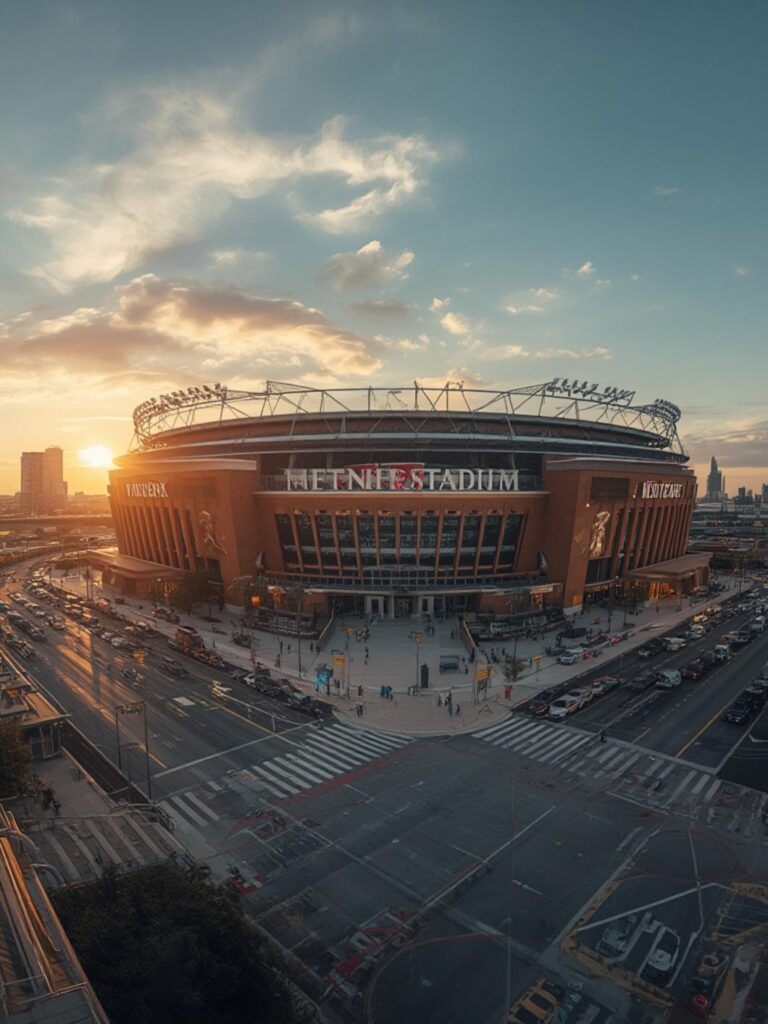
Planning to attend a game, concert, or event at MetLife Stadium in 2026 doesn’t have to break the bank. This guide shows you how to secure Affordable hotels near MetLife Stadium 2026 while still enjoying a comfortable stay, convenient transportation, and a taste of New Jersey’s local charm. Whether you’re traveling solo, with a family,…
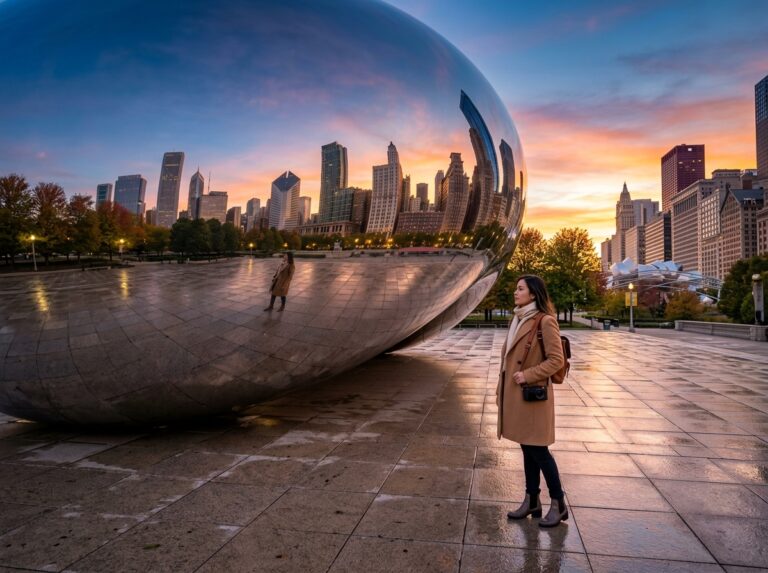
Introduction Are you ready to see world-class architecture and incredible lakefront views but worried that hidden parking fees and scattered neighborhoods will derail your travel budget? Following a highly detailed Chicago 5-day itinerary is the single best decision you can make to navigate this massive Midwestern metropolis smoothly and affordably. Chicago is a stunningly beautiful…
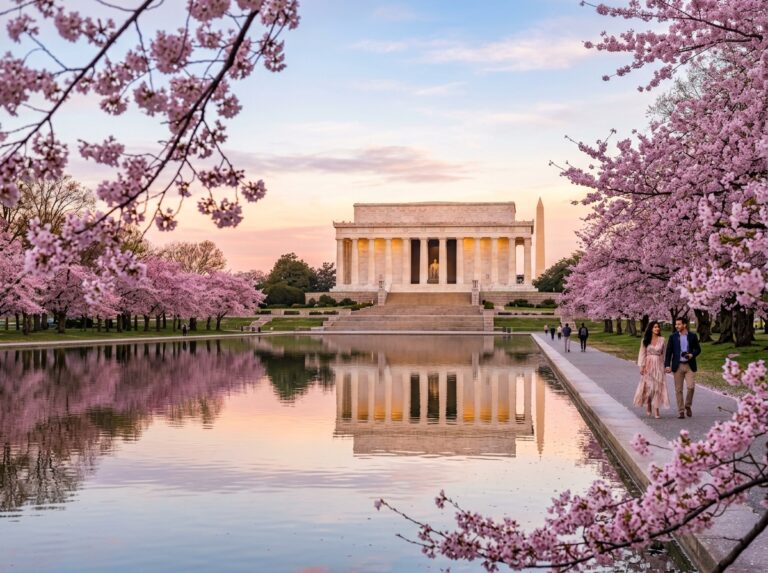
Introduction Are you eager to stand before the grand marble pillars of the Lincoln Memorial and wander through world-class museum galleries but deeply anxious about expensive historic district hotels, hidden tour fees, and confusing urban transit connections? Mastering a highly detailed, tactical Washington DC 5-day itinerary is the single best strategy to experience the majestic…
Embracing the Quirky Pacific Northwest on a Budget Portland Itinerary Guide 5 Creative Days is the ultimate tactical blueprint engineered for independent explorers who want to bypass corporate tourist bubbles and dive headfirst into the breathtaking nature, hidden gems, and iconic artistic subcultures of Oregon. Have you ever wanted to wander through an unforgettable urban…
Introduction Have you ever been told that exploring the United States is absolutely impossible if you don’t sit behind the wheel of a rental automobile? Figuring out how to travel the U.S. without renting a car is actually one of the smartest ways to avoid soaring gas prices, expensive city parking fees, and complex foreign…
Diving Into the Heart of Championship Culture Kansas City Itinerary Guide 3 Sporty Days is the ultimate operational playbook for sports enthusiasts and food lovers looking to experience the roaring energy, legendary smoky pits, and deep-rooted heritage of America’s loudest sports capital. Have you ever wanted to stand in the middle of a massive, ocean-like…