How to prove ties to your country: 7 Best Ways to Secure a Visa Approval
Introduction
Do you have a solid bank account and a clean record but still fear the dreaded “Section 214(b)” rejection? The number one reason for U.S. visa denials isn’t a lack of money—it’s a lack of evidence that you will actually return home. Learning how to prove ties to your country is the most vital skill for any applicant. In the eyes of the U.S. law, every visitor is a “presumed immigrant” until they prove otherwise. With the 2026 World Cup causing a massive spike in applications, consular officers are looking for deep, undeniable reasons for you to leave the U.S. after your visit. In this guide, we will show you exactly how to prove ties to your country so you can walk into your interview with total confidence.
The Legal Requirement: How to prove ties to your country
Under the Immigration and Nationality Act, specifically Section 214(b), the burden of proof lies entirely on you. When you are figuring out how to prove ties to your country, you must look beyond just “having a job.” The officer is looking for a “compelling” reason to return. This can be economic, social, or family-based. If your life is loosely rooted, the officer assumes you might stay in the U.S. permanently. Therefore, knowing how to prove ties to your country through a combination of professional status and personal commitments is the only way to overcome this legal presumption.

The Three Pillars of Strong “Home Ties”
To effectively master how to prove ties to your country, you must focus on three main categories:
- Economic Ties: This includes more than just a salary. It covers property ownership, business investments, and long-term employment contracts.
- Family Ties: Being married or having children in your home country are strong motivators for return.
- Social/Professional Ties: Membership in professional organizations or being a key figure in your local community adds layers to your credibility. When you combine these, you create a narrative that makes it illogical for you to abandon your life at home. This is the core of how to prove ties to your country.
3 Pro Insights from Our “Home Ties” Guide
In our specialized mini-guide, we explore these three advanced strategies:
The Future Projection: How to show that your future career growth depends on returning home with your U.S. experience.
Documentation vs. Veracity: Why a pile of papers won’t save you if your verbal story doesn’t match the logic of how to prove ties to your country.
The “Assets” Trap: Why simply owning a house isn’t enough if you don’t have an active lifestyle associated with it.
Defeat Section 214(b) Once and For All
Don’t let the officer assume you’ll never come back. Get the complete strategy on how to prove ties to your country with our specialized checklist.
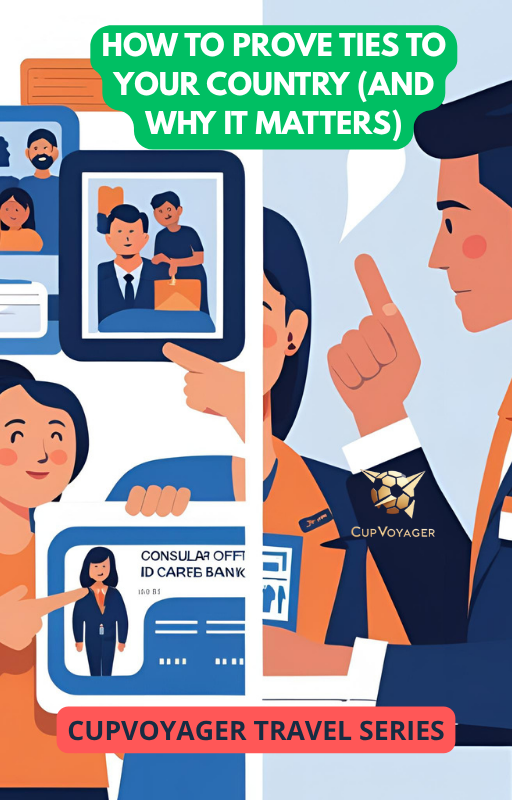
Download the “Home Ties” Strategy Guide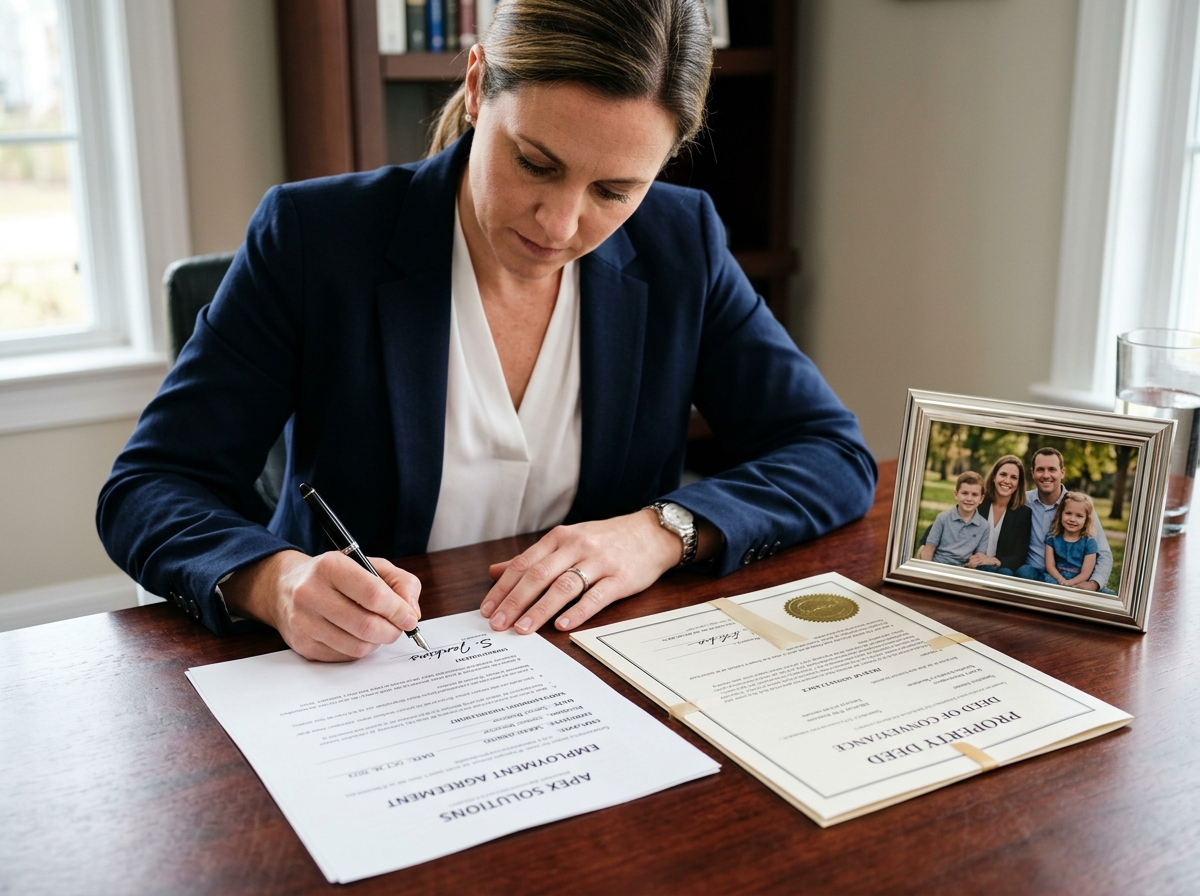
Communicating Your Ties During the Interview
Knowing how to prove ties to your country is one thing; saying it out loud is another. When the officer asks, “What will you do after your trip?”, your answer should immediately reflect your roots. Instead of saying “I will go back to work,” try “I must return to oversee my ongoing projects at my firm and reunite with my family.” This subtle shift in language is a key part of how to prove ties to your country. It shows that your presence at home is required. By practicing these responses, you ensure that your intent is never in doubt.
Preparation is 90% of Success
In conclusion, your visa success depends on your ability to show that your trip is a temporary detour, not a permanent move. By following these steps on how to prove ties to your country, you mitigate the biggest risk in the application process. Confidence comes from preparation. For a list of the physical items you need to carry to prove these claims, refer back to our Visa Interview Checklist.
Master Your U.S. Journey with CupVoyager
CupVoyager is a premium digital collection of 100+ specialized guides designed to solve every challenge in the USA. From visa success and smart shopping to 7-day city itineraries and hidden national parks—we’ve condensed years of travel expertise into bite-sized, actionable PDF guides. Whether you are a tourist, student, or digital nomad, our library ensures you travel smarter, safer, and cheaper.
📥 Download the Full 100-Book Bundle NowBonus: Resale Rights Included (For Agencies & Content Creators)